

Throughout this website you’ll find references and how-tips to help you get the most out of your clay bar detailing work.
But this page in particular offers excellent step-by-step detailing clay information. Do not bounce!
Chances are you’re here because you have seen detailing clay bar kits in stores, or you’ve heard other people talking about it. Perhaps you’ve tried it before and did not get good results.
Well, you’re in the right place!
I have been using clay bars since 1997. During the years I was making and selling products, I sold many thousands of them under my Autopia and Sonus product labels, including an exclusive custom blend.
Since those days, the claybar has become such an important tool for regular auto detailing.
Get ready to learn what I know about detailing clay, its benefits and the limitations.
What Exactly Can a Clay Bar Do
I’ve read a lot of clay bar product reviews and let me tell you…
Typically when someone gives a 1 or 2 star rating, it’s because they are disappointed. The product did not remove the swirl marks and scratches from their car’s paint.
So that’s why I’d like to start with what detailing clay can do and what it cannot!

The Real Truth About Claybar Products
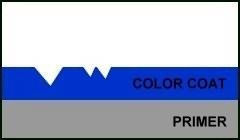
A claybar is simply a paint cleaner.
Its one and only job is to remove bonded contamination on the surface of the paint or glass. When properly applied, the claybar itself never touches your paint.
That’s right! It only glides over paint on a layer of lubrication.
The benefit of using clay is speed, and the fact that it does not physically wear on the paint finish.
And that’s actually what makes it so awesome!
By comparison, other forms of paint cleaning use chemicals and abrasives that thin your paint or clearcoat over time. This contributes to premature wear.
Once again: A clay bar cannot remove paint imperfections such as swirl marks or scratches. It also won’t improve the shine.
What it will do is remove the grunge so you can see a bright, clear finish.
A Few Other Key Benefits
There are several side benefits to using clay.
The most noticeable is how slick and smooth your paint feels afterwards. Polish your car for hours and it won’t feel as slick and smooth as it does after a few minutes with a clay bar.
But perhaps the biggest benefit is that waxing becomes easier and more effective. With a super slick finish, wax glides on and buffs off with ease.
Plus, the contamination-free finish allows for a tighter wax job that lasts longer and looks better.
Evaluating Paint For Clay Bar Use
How do you even know if you need to use a clay bar?
That’s easy!
After thoroughly hand washing your car, feel the surface of your car’s paint. Do you feel bumps and rough spots?
These bumps are contaminants on the finish of your car.
Removing these surface contaminants such as road tar, acid rain spots, bug residue, paint over-spray, brake pad dust, hard water spots, etc. will improve the look and health of your car’s paint.
By the way, you can magnify your sense of touch by inserting your fingertips into a sandwich bag or a piece of cellophane.
No, I’m not joking!
Anyway, no matter how well you hand-wash your car, many of the contaminants that have worked their way into your car’s paint finish will remain.
Don’t believe it?
Have you ever looked at your foam wax applicator pad after applying a coat of wax? What do you think that black stuff is? It’s dirt, and you’re waxing over it, sealing it in.
How To Properly Utilize a Clay Bar
Using a detailing clay bar is easy, but you must properly follow the instructions. Use a clay bar incorrectly and you will create a mess or scuff the surface of your paint.
What’s the trick?
You must thoroughly clean and dry your car to remove any loose dirt.
Direct sunlight should not fall on your car’s surface. It’s also best if the work area is cool to prevent rapid evaporation of the claybar lubricant.
Fact is most claybars become soft as they get warm, making them less effective.
To use a clay bar, spray a lubricant on a small area of your car and rub the clay back and forth with light to medium pressure. Spray more if the lubricant begins to dry.
Warning: Detailing clay is sticky and cannot be used dry. If it’s dry you’ll make a big mess and scuff your paint.


After a few passes, rub your hand over the area you’ve cleaned to check for any misses. You should feel a distinct difference between the areas you have clayed and those you haven’t.
Don’t stop yet!
Keep rubbing until all contamination bumps are gone.
Finally, wipe the clay lubricant residue off with a soft microfiber towel, and buff to a nice luster. Just like waxing, it’s best to work in small areas.
Pro Tip: You’ll want to check the clay bar frequently for hard particles. When found, pick them off.
In fact, make it a habit to knead and reform the bar often. Fresh parts should make contact with your car’s paint as much as possible.
Always Toss Away a Contaminated Clay Bar
If you drop your bar of detailing clay on the ground, it’s history.
Seriously, toss it out.
Don’t take any chances, discard the clay bar if it becomes impregnated with grit. Read the manufacturers’ directions regarding usage.
I’m not kidding. Do not overuse your detailing clay.
When you’re finished claying your car, you may need to wash it to remove any lubricant film. If you plan to use a pre-wax cleaner polish, it will remove clay residue so there’s no need to wash.
Last but not least, after using clay, seal your freshly cleaned paint with your choice of wax or sealant.
Clay Has Other Uses
Automotive detailing clay isn’t just for paint!
You can use detailing clay on any smooth, hard surface, including glass and chrome. But never use clay on clear plastic, such as headlight lenses.
When I can no longer remold clay to get a clean surface, I retire it for use on my windows. The dirty clay will not harm glass.
It’s amazing how much dirt film clay can remove from exterior glass.
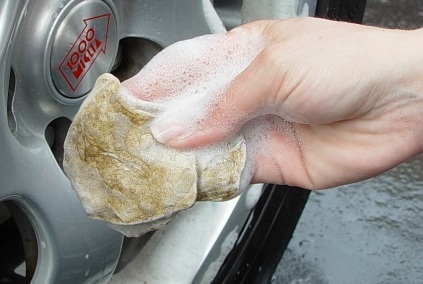
I also use my old clay to clean wheels.
Detailing clay will safely remove stubborn, embedded brake dust, tar and road film from all factory wheels. However, I don’t recommend using a clay bar on wheels that do not have a factory clearcoat or powder coat finish.
Clay Bar Detailing Common Questions & Answers
I’ve received lots of questions regarding clay bars. Here are some common questions and answers:
Q1. I dropped my clay bar on the ground. Can I still use it?
A1. The safe answer is no. A clay bar will pick up small particles of grit from the ground that will scratch your paint.
Q2. If I clay bar my car do I still need to polish my paint?
A2. Yes. Detailing clay will not remove swirl marks, scratches or etching from acid rain or hard water spots. Paint polish is still required to remove these paint defects. If your paint is new or like-new, detailing clay will significantly reduce the amount of polishing required to keep your paint in good condition.
Q3. What is the best claybar?
A3. What label do you like? There are only a couple manufacturers of clay, and the technology is protected by U.S. patents. Clay is manufactured with different levels of abrasiveness and colors to suite different applications. There are subtle differences in technology (plastic vs. elastic material) and the firmness of the material.
In general, softer clays are safer and easier to use. A firm claybar cleans better with a little more risk of scuffing or scratching. Probably your best best is to go with the Mothers California Gold System which comes with a microfiber towel.
Q4. Is it better to use soapy water or a detailing spray for lubrication.
A4. Both work equally well. If you want to do the job fast, use a bucket of soapy water. If you want to work inside or do a thorough job, use a spray lubricant. With a spray lubricant you can wipe down each panel as you go and feel for areas you’ve missed.
Q5. How do I store my clay bar?
A5. If your claybar did not come with a re-usable plastic container, store it in a Ziploc baggie.
Q6. Will a clay bar remove my wax?
A6. In most cases, a clay bar will “scrub off” wax protection. Some paint sealants are hard enough to withstand being cleaned with clay, but most are not.
The Need for Polishing After Cleaning
Many people assume that a detailing clay bar completely replaces car polish.
While it’s true that detailing clay does the heavy lifting, it doesn’t replace the need to use a car polish cleaner.
A fine car polish which is often called a pre-wax cleaner, will remove old wax, embedded dirt and light stains from your paint. They also help to restore gloss and remove light surface imperfections, such as swirl marks and water spot etching.
I recommend using a car polish at least twice a year.
If your paint is in excellent condition, a good car polish will keep it healthy so you can avoid having to use heavy rubbing compounds to remove paint damage.

The car polish I use and recommend is Klasse All-In-One. There’s a good reason for this choice.
Why, you ask?
Nothing I’ve tried applies, wipes off and delivers the same great results as Klasse All-In-One paint polish and cleaner.
See my Klasse Car Wax Guide to learn more.
Making the Process as Easy as Possible
When cleaning or polishing paint, always work in a shaded area, out of direct sunlight. Polishes and cleaners do not work well on hot surfaces. Work on one area at a time, covering 2 to 4 square feet.
Buff off the polish residues as you go.
Most car polishes do not need to dry or haze before being wiped off, but be sure to follow the manufacturer’s instructions.
You can use a foam, terry cloth or microfiber applicator pad to apply car polish. If your paint finish is in new or like-new condition, I recommend a quality foam applicator. But if your paint is moderately oxidized, I recommend a microfiber applicator.
Use a small amount of car polish at a time.
With most products, several pea-size dabs is enough to clean and polish an area of approximately 2 square feet. If the polishing residue does not buff off easily, switch to a clean wipe towel.
For best results, I recommend thick microfiber polishing towels.
After cleaning your car’s paint it should be squeaky clean, smooth, and free of streaks and minor swirls. It’s now ready for waxing.
Clay Bar Detailing Summary
With detailing clay, you can clean your paint regularly without being concerned about reducing clearcoat thickness or scratching.
It is the perfect solution for crystal clear, super smooth paint.
Next, learn How-to Wax a Car!